In industrial project procurement, a common viewpoint prevails: "Insulation materials are hidden inside walls and pipelines, unseen and untouched. Choosing low-cost options cuts expenses, as all products deliver identical performance."
However, seasoned facility managers and project engineers recognize this as a risky misconception. Under the 2026 industrial environmental standards, pursuing merely low initial procurement prices often evolves into substantial hidden liabilities for enterprises.
1. Initial Purchase Price vs. Total Cost of Ownership (TCO)
The unit price stated in procurement contracts is only the tip of the iceberg. Budget-friendly insulation seemingly slashes initial spending by 10%-20%, yet loose fiber structure, uneven density, and poor long-term thermal stability lead to performance degradation within 6 to 12 months of service.
Total Cost of Ownership shall be the core measurement standard:
TCO = Initial procurement cost + Energy loss cost + Maintenance and replacement cost + Production downtime losses caused by performance failure
2. Hidden Costs Brought by Low-cost Materials
Low-priced products never eliminate costs; they merely shift expenses to later operational stages.
-
Corrosion Under Insulation (CUI)
It poses the gravest threat to industrial pipelines. Inferior insulation lacks water repellency, and accumulated moisture corrodes pipe surfaces. As elaborated in
Preventing CUI with ASTM C547 Rock Wool Pipe (2026 Edition), compromised anti-corrosion insulation can severely damage costly piping systems within years, incurring millions of dollars in equipment replacement costs.
- Structural Collapse and Thermal Bridge Effect
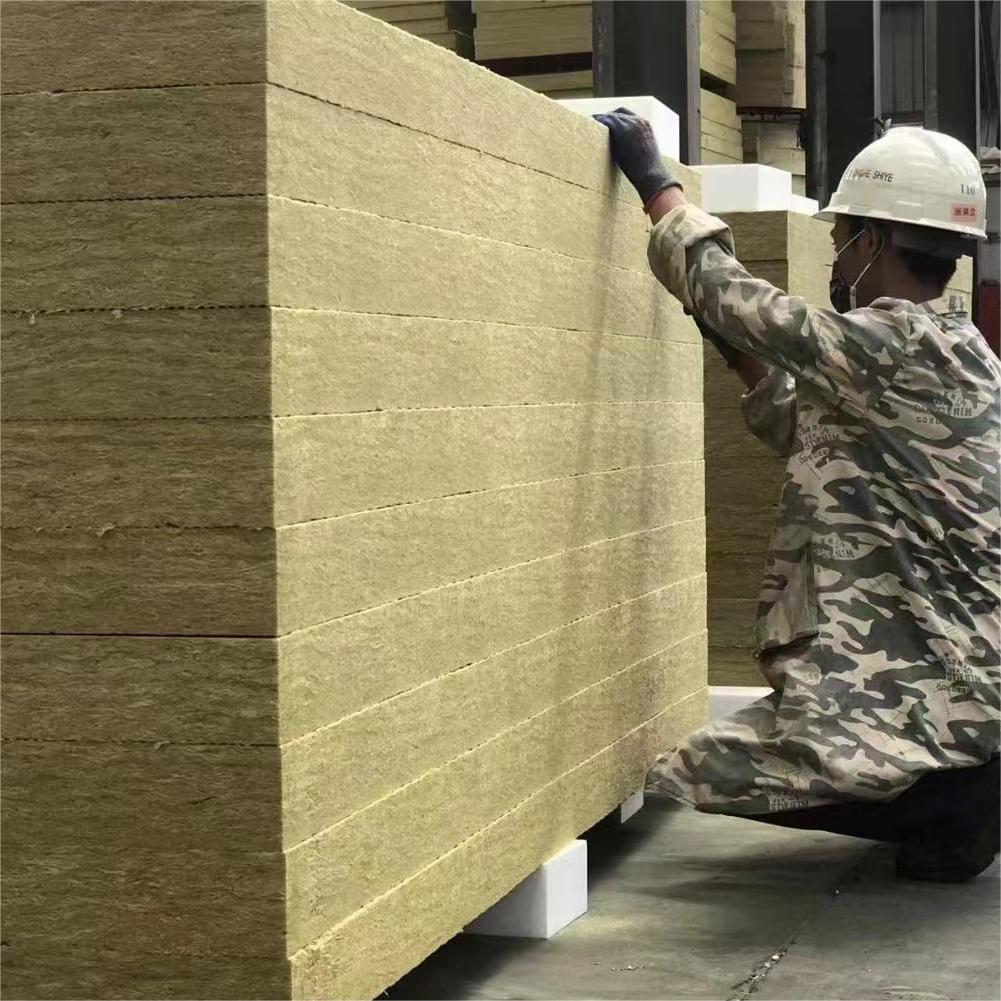
Premium rock wool pipes complying with ASTM C547 standards feature a robust fiber structure resistant to vibration and gravity. Cheap insulation sags under high temperature and vibration, creating gaps that trigger severe heat loss, completely offsetting initial procurement savings.
- Improper Material Selection
Insufficient understanding of material physical properties often results in unsuitable insulation choices. The article Selecting Pipe Insulation: Rock Wool vs. Glass Wool for Industrial Applications analyzes why rock wool stands as the optimal choice for harsh industrial working conditions.
3. Why High-performance Rock Wool Counts as a Valuable Asset
Investment in premium rock wool insulation systems yields lucrative long-term returns.
- Stable Energy Efficiency
Consistent thermal conductivity boosts energy utilization. Even a 5% reduction in heat loss generates remarkable annual savings on steam and electricity for large-scale production lines
- Enhanced Asset Safety
Class A1 fire resistance meets regulatory requirements and acts as reliable factory protection, effectively mitigating fire hazards and safeguarding corporate assets.
- Extended Service Lifespan
High-quality rock wool lasts over 10 years, while inferior alternatives require renovation within 2 years. Lower maintenance frequency cuts labor costs and downtime risks.
4. Conclusion & Recommendations for Decision-Makers
Avoid judging insulation merely by unit square meter price in future procurement tenders. Require suppliers to provide the following valid documents:
- Thermal conductivity test reports under actual operating temperatures
- Structural integrity test data
- 5-year projected maintenance cost analysis
High-performance insulation serves as a solid safeguard for factory operation, rather than disposable filling materials. Opting for premium insulation solutions secures long-term profitability and asset safety for manufacturing facilities.


